

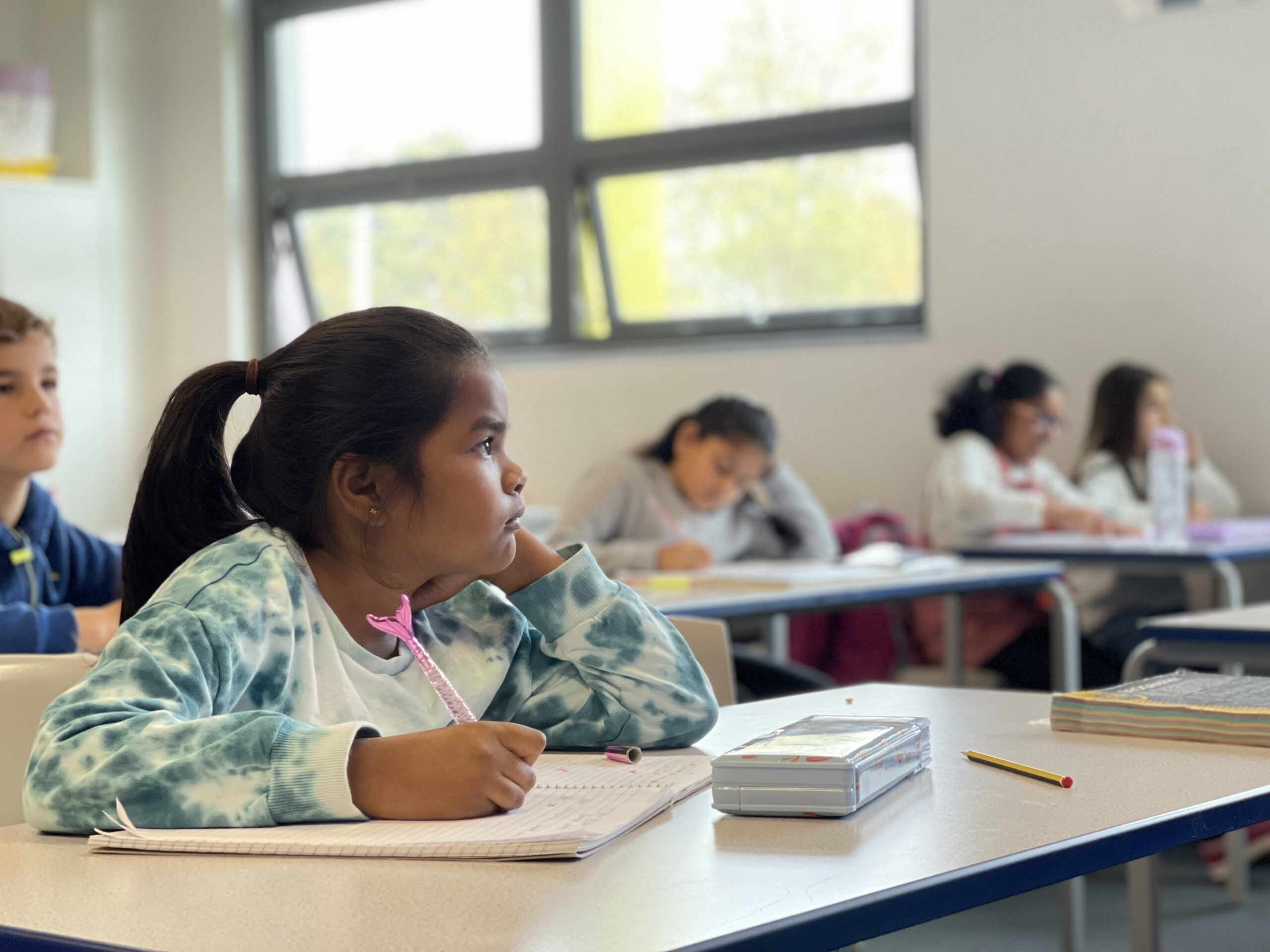
Almost every child is nervous before the 11+. So is almost every parent. Some nerves are normal, and a little adrenaline actually helps on the day. What we want to avoid is worry that takes over, so a child cannot sleep, cannot eat breakfast, or freezes when they turn the first page.
After many years of test mornings, here is what I have seen help, and what I have seen make things worse.
The short version
- Children take their cue from us. Calm adults make calm children.
- Familiarity lowers fear. Mock exams under real conditions help more than extra papers at home.
- Keep routines normal in the last week: sleep, food, play.
- Talk about effort, not scores.
- If worry is affecting sleep, eating or school for weeks, speak to your GP or your child’s school.
What makes nerves worse
- Last-minute cramming. A child who is doing papers until 9pm the night before learns one thing: that we are worried.
- Talking about the test all the time. Especially within earshot, on the phone to other parents.
- Comparing scores. With siblings, cousins or classmates. It is never motivating.
- “This is the most important day of your life.” It is not, and they know it is not, but they may believe we think it is.
- Promising big rewards for passing. It raises the stakes. Reward the effort instead, whatever happens.
What helps
Make the unfamiliar familiar
Most test nerves are really nerves about the unknown. What will the room be like? What if I cannot find a question? What if I run out of time? Sitting full mock exams in a proper exam setting, with an invigilator, a clock on the wall and a lot of children they do not know, takes much of the fear out of the real thing. That is why our mocks at Harris Academy Purley are run under real exam conditions.
Give them a plan for the hard question
Tell your child plainly: there will be questions you cannot do. Everyone meets them. The plan is to make your best guess, mark it, and move on. Come back if there is time. A child with a plan for the hard question panics far less when it arrives.
Keep the last week ordinary
School, clubs, friends, normal bedtime. A light review is fine. New topics are not. Children do better when the week before feels like any other week.
Tell them you are proud of how hard they have worked. Say it before the test, not only after the results.
Manju Pillai
The night before and the morning
- Pack the night before: pencils, eraser, a watch without alarms if allowed, water, and the admission letter.
- Normal bedtime. Not early, which can mean lying awake, just normal.
- A proper breakfast with something slow, like porridge or toast with eggs.
- Leave early. Traffic around test centres is heavy. Arriving flustered undoes a lot of good work.
- Keep the goodbye short and warm. “Do your best, I’ll be right here after” is plenty.
Afterwards
Do not ask how it went in the car park. Let them tell you when they are ready. Many children come out convinced they did badly, because the paper is meant to stretch everyone. It usually means nothing. Do something nice together, and move on to normal life.
When it is more than nerves
Some children feel anxious for weeks, not days. If you notice changes to sleep, appetite or mood, stomach aches before school, or a child who no longer enjoys things they used to love, please do not wait for the test to be over. Speak to your child’s class teacher and to your GP. It is always better to ask early. And tell us too, so we can adjust the work and keep an eye out in lessons.
Want to see how your child does on the day?Our mocks come in both formats, multiple choice and written, and every paper is marked by a teacher and returned with feedback.
Should I tell my child how important the test is?
Be honest that it matters, but keep it in proportion. “It is a test that helps decide secondary school, and there are good schools either way” is a healthy message.
Is it better not to tell them the date until close to the time?
Most children cope better knowing. Surprises tend to increase worry, not reduce it.
My child cried after a mock. Should we stop?
Not necessarily. Talk to them, and to us. Often one hard paper feels like a disaster and the next one goes well. If it keeps happening, we will look at the level of the work together.